Total population
442,674
Located in the heart of Nasirabad Division, Kachhi District is centred on Dhadar and relies on irrigated agriculture, livestock rearing, and trade along key transport corridors. Despite its agricultural potential and strategic location, the district faces recurring floods, water management challenges, weak infrastructure, and limited public services. This page summarises district statistics, services, elected representation, and priority development challenges.
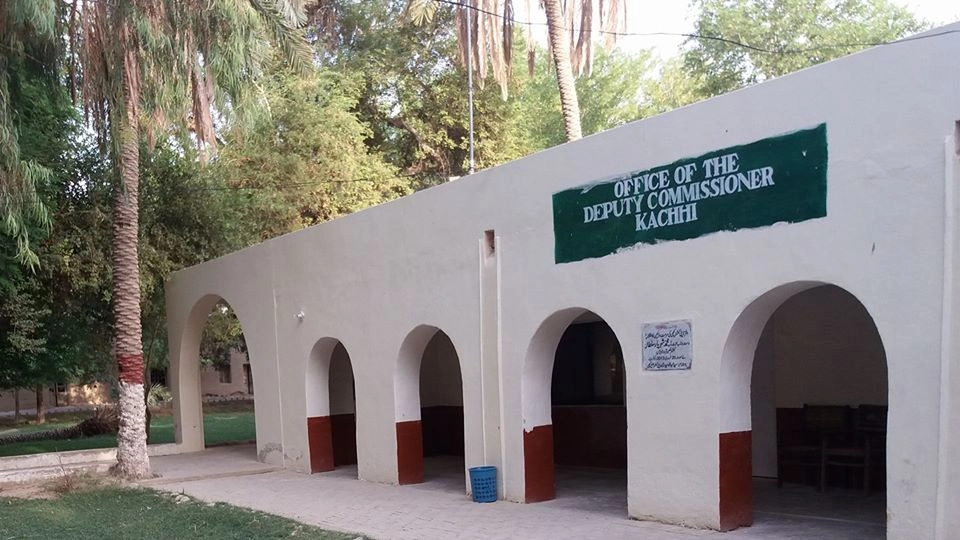
442,674
5,682 km²
6 tehsils · 30 union councils
| Indicator | Value |
|---|---|
| Total population | 442,674 |
| Tehsils | 6 |
| Union councils | 30 |
| Total area | 5,682 km² |
| Type | Count |
|---|---|
| Schools | 492 |
| Colleges | 4 |
| Facility type | Count |
|---|---|
| DHQ | 1 |
| BHU | 12 |
| RHC | 5 |
| Civil Dispensaries (CD) | 19 |
| MCH | 3 |
| Station | Count |
|---|---|
| Dhadar Police Station | 1 |
| Mach Police Station | 1 |
| Bhag Police Station | 1 |
| Total | 3 |
| Member | Constituency | Name (Party) |
|---|---|---|
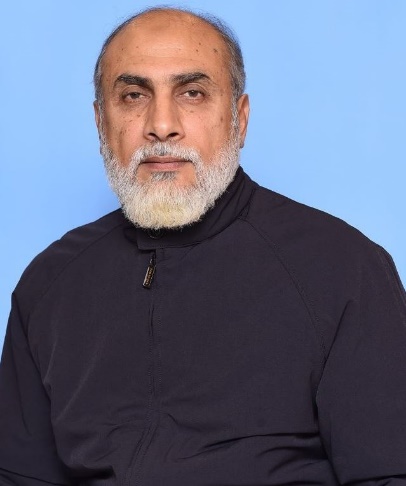 |
NA-254 Jhal Magsi-cum-Kachhi-cum-Naseerabad | Mr. Khalid Hussain Magsi (BAP) |
| Member | Constituency | Name (Party) |
|---|---|---|
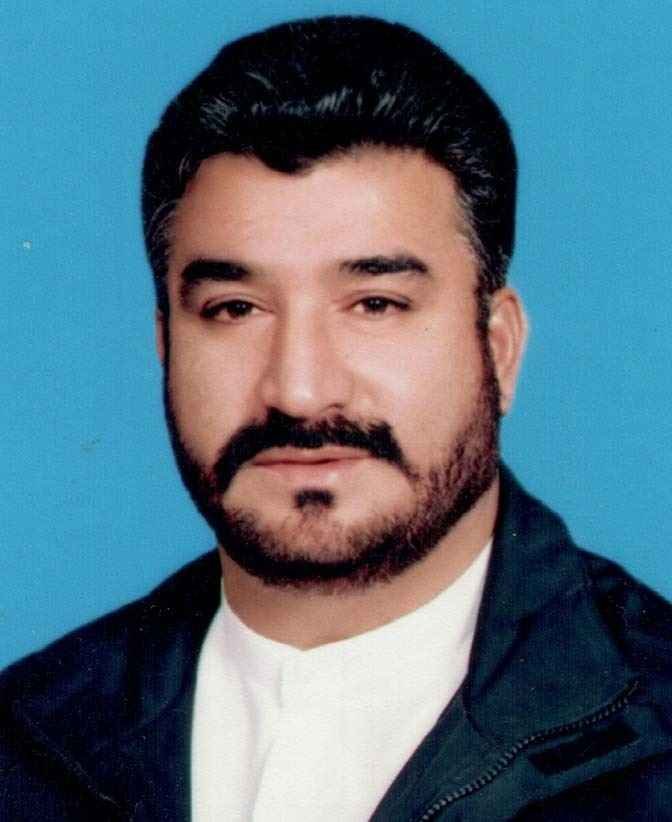 |
PB-12 Kachhi | Mr. Mir Mohammad Asim Kurd Gello (PMLN) |
Kachhi has limited road connectivity, with several rural and inter-settlement roads remaining poorly maintained, restricting access to markets, healthcare, educational institutions, and other essential services, particularly during adverse weather conditions.
Kachhi faces persistent water management challenges, as unreliable irrigation supplies, groundwater scarcity, and limited access to safe drinking water affect agricultural productivity and household water security.
Healthcare services in Kachhi remain inadequate, with shortages of doctors, specialists, medicines, diagnostic facilities, and emergency care limiting access to quality healthcare, especially in remote rural areas.
Employment opportunities are limited, with the local economy relying mainly on agriculture, livestock, and the public sector, while weak industrial development and limited vocational skills contribute to unemployment and underemployment.
Kachhi is highly vulnerable to environmental challenges, including floods, droughts, desertification, and extreme temperatures, which damage crops, infrastructure, and livelihoods while increasing the district's vulnerability to climate change.