Total population
563,315
The administrative and agricultural centre of Nasirabad Division, Nasirabad District is centred on Dera Murad Jamali and relies on irrigated agriculture, livestock, and agro-based livelihoods. Despite its fertile land and extensive canal irrigation, the district faces recurring floods, water management challenges, and infrastructure and service delivery gaps. This page summarises district statistics, services, elected representation, and priority development challenges.
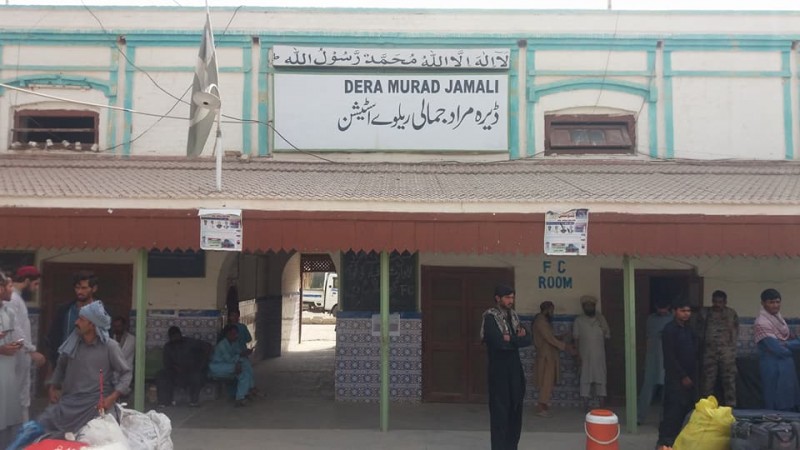
563,315
3,387 km²
6 tehsils · 44 union councils
| Indicator | Value |
|---|---|
| Total population | 563,315 |
| Tehsils | 6 |
| Union councils | 44 |
| Total area | 3,387 km² |
| Type | Count |
|---|---|
| Schools | 628 |
| Colleges | 1 |
| Facility type | Count |
|---|---|
| DHQ | 1 |
| BHU | 18 |
| RHC | 3 |
| Civil Dispensaries (CD) | 9 |
| MCH | 3 |
| Station | Count |
|---|---|
| City Police Station | 1 |
| Saddar Police Station | 1 |
| Aziz Billo Shaheed Police Station | 1 |
| Manjhoo Shori Police Station | 1 |
| Khan Kot Police Station | 1 |
| Chattar Police Station | 1 |
| Mir Hassan Police Station | 1 |
| Phuleji Police Station | 1 |
| Baba Kot Police Station | 1 |
| Total | 9 |
| Member | Constituency | Name (Party) |
|---|---|---|
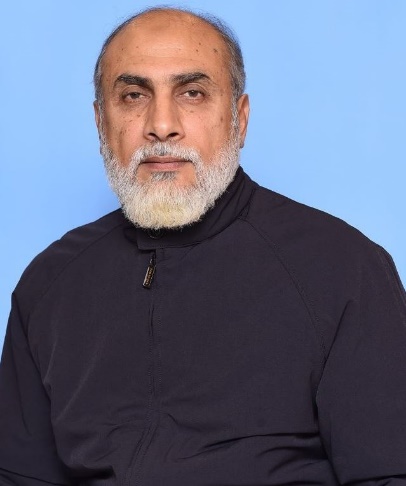 |
NA-254 Jhal Magsi-cum-Kachhi-cum-Naseerabad | Mr. Khalid Hussain Magsi (BAP) |
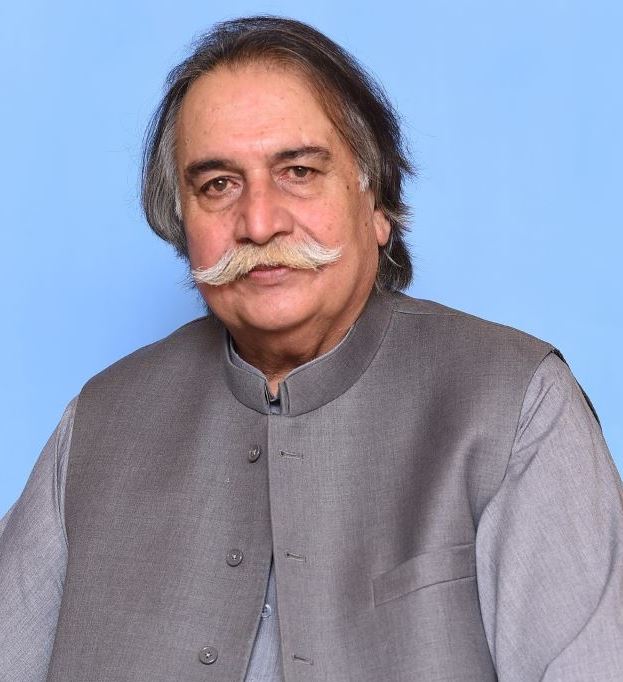 |
NA-255 Shobat Pur-cum-Jaffarabad-cum-Usta Muhammad-cum-Naseerabad | Mr. Mir Khan Muhammad Jamali (PMLN) |
| Member | Constituency | Name (Party) |
|---|---|---|
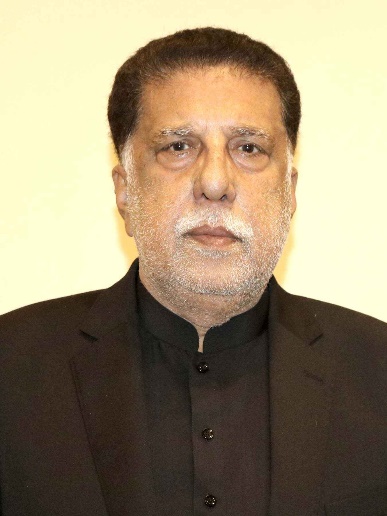 |
PB-13 Nasirabad-I | Mr. Mir Muhammad Sadiq Umrani (PPP) |
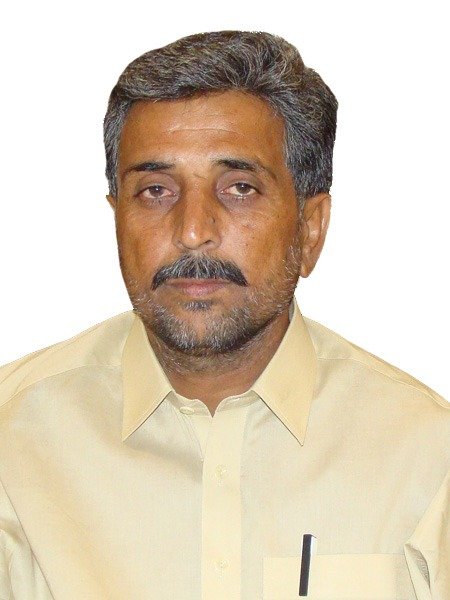 |
PB-14 Nasirabad-II | Mr. Muhammad Khan Lehri (PMLN) |
Nasirabad has relatively better connectivity compared to many districts of Balochistan, but several rural and agricultural roads remain poorly maintained, limiting access to markets, healthcare facilities, and public services, especially during floods and heavy rains.
Despite its extensive irrigation network, Nasirabad faces water management challenges, including unreliable canal supplies, inefficient irrigation systems, waterlogging, and salinity, while many communities continue to experience shortages of safe drinking water.
Healthcare services in Nasirabad remain insufficient, with shortages of doctors, specialists, medicines, diagnostic facilities, and emergency services, particularly affecting rural populations with limited access to advanced medical care.
Employment opportunities are largely dependent on agriculture, livestock, and government services, while limited industrial development, low private-sector investment, and skill gaps contribute to unemployment and underemployment among youth.
Nasirabad is highly vulnerable to environmental challenges, including recurring floods, droughts, extreme heat, and climate variability, which affect agricultural productivity, damage infrastructure, and disrupt livelihoods across the district.